
Meta Description:
Can’t sleep because your mind won’t stop racing? Discover how anxiety and insomnia are connected — and how online treatment from Mental Health Tele.com can help you find relief.
Introduction
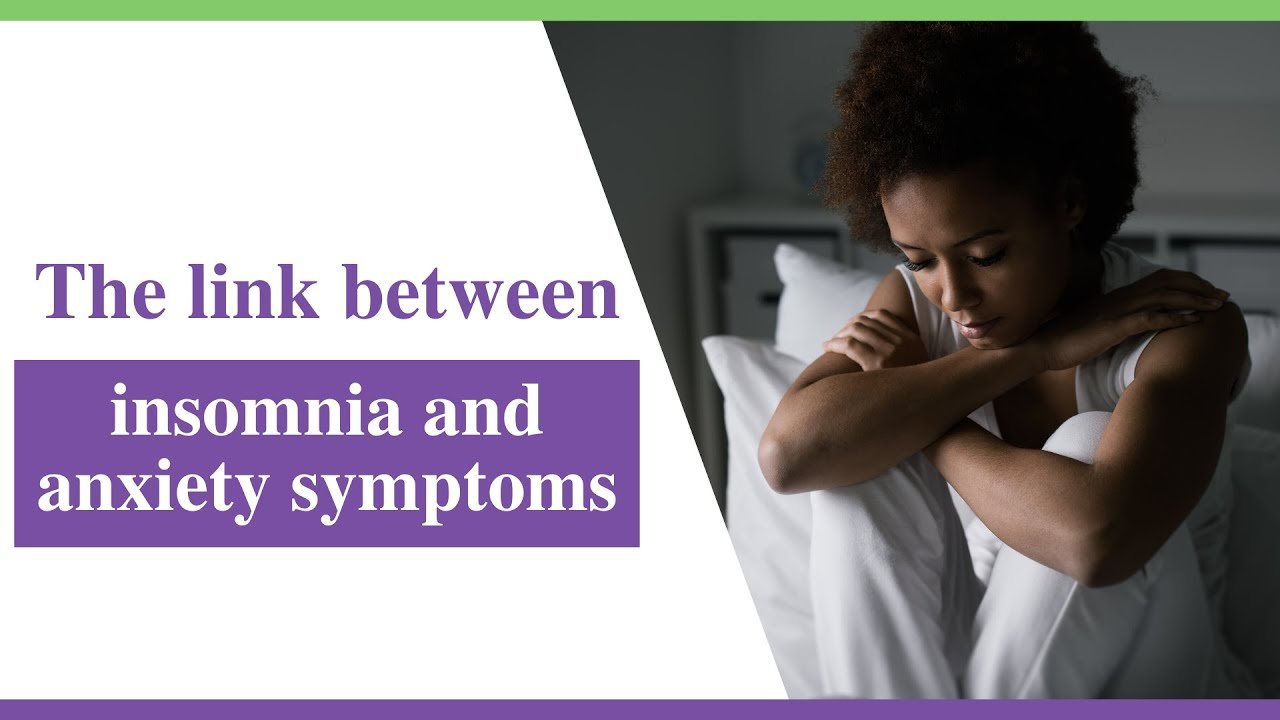
If you’ve ever found yourself lying awake replaying the day’s events or worrying about tomorrow, you’re not alone. Anxiety and insomnia often go hand in hand — feeding into each other and making both conditions worse.
At Mental Health Tele.com, our clinicians specialize in treating anxiety-related sleep disorders, helping you break the cycle and restore healthy rest.
How Anxiety Affects Sleep
When you’re anxious, your brain goes into overdrive. Stress hormones like cortisol and adrenaline keep your body alert — exactly when you’re trying to relax.
This mental hyperactivity makes it difficult to fall asleep, stay asleep, or achieve deep, restorative rest.
Common signs of anxiety-related insomnia include:
- Racing thoughts at bedtime
- Tightness in chest or rapid heartbeat
- Difficulty falling or staying asleep
- Waking up too early
- Feeling unrested even after sleeping
How Lack of Sleep Worsens Anxiety
Sleep deprivation doesn’t just cause fatigue — it actually intensifies anxiety symptoms. Without adequate rest, the brain’s emotional regulation weakens, leading to:
- Increased irritability and mood swings
- Poor concentration and memory
- Heightened worry or panic
- Difficulty coping with daily stress
It’s a vicious cycle — anxiety leads to poor sleep, and poor sleep increases anxiety.
Breaking the Cycle — Treatment Options
The good news is that both conditions can be treated together. Our providers at Mental Health Tele.com take a dual-approach to address both anxiety and insomnia simultaneously.
1. Cognitive Behavioral Therapy (CBT-I & CBT for Anxiety)
CBT helps identify and change unhelpful thought patterns that cause worry and disrupt sleep.
2. Medication Management
In some cases, prescription medication can help regulate mood and improve sleep cycles safely and effectively.
3. Relaxation and Mindfulness Techniques
Guided meditation, deep breathing, and progressive muscle relaxation are proven to reduce anxiety and prepare your body for rest.
Lifestyle Tips for Calming the Mind Before Bed
- Set aside “worry time” earlier in the day to process thoughts before bedtime.
- Avoid stimulating activities before bed — like emails or social media.
- Use calming sounds or sleep apps to quiet your mind.
- Practice gratitude journaling to replace negative thoughts with positive reflection.
Conclusion:
Anxiety and insomnia may feel like an endless cycle, but with the right care, you can find peace again — both mentally and physically.
Our licensed professionals at Mental Health Tele.com are here to help you rest, recover, and live with greater calm.
👉 Book your online session today and rediscover the power of a good night’s sleep.

